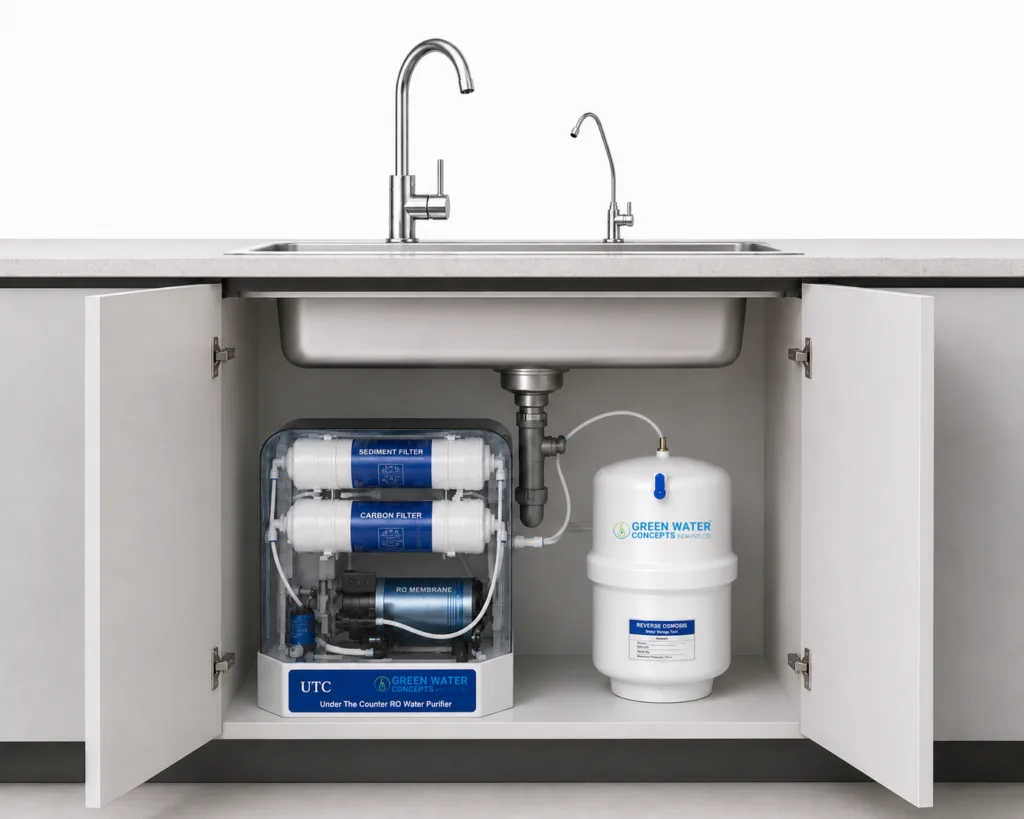
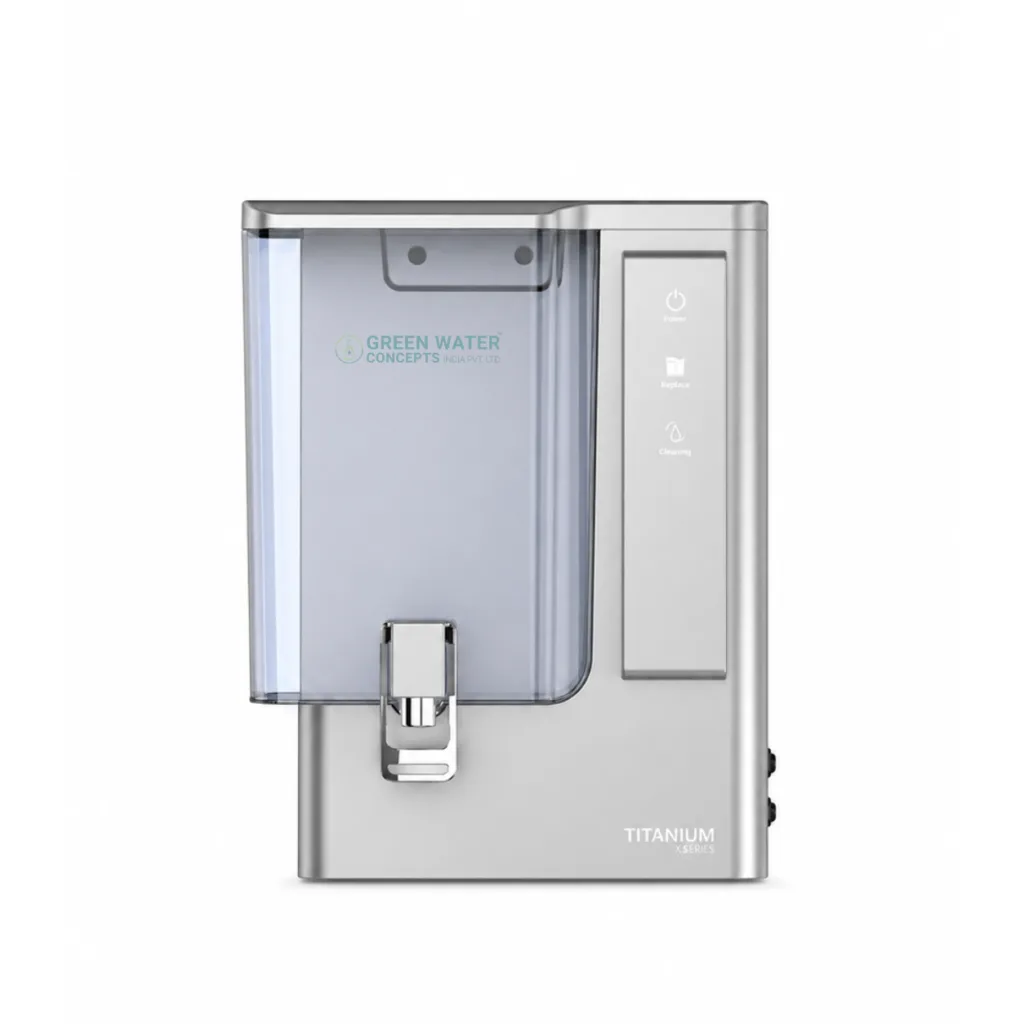
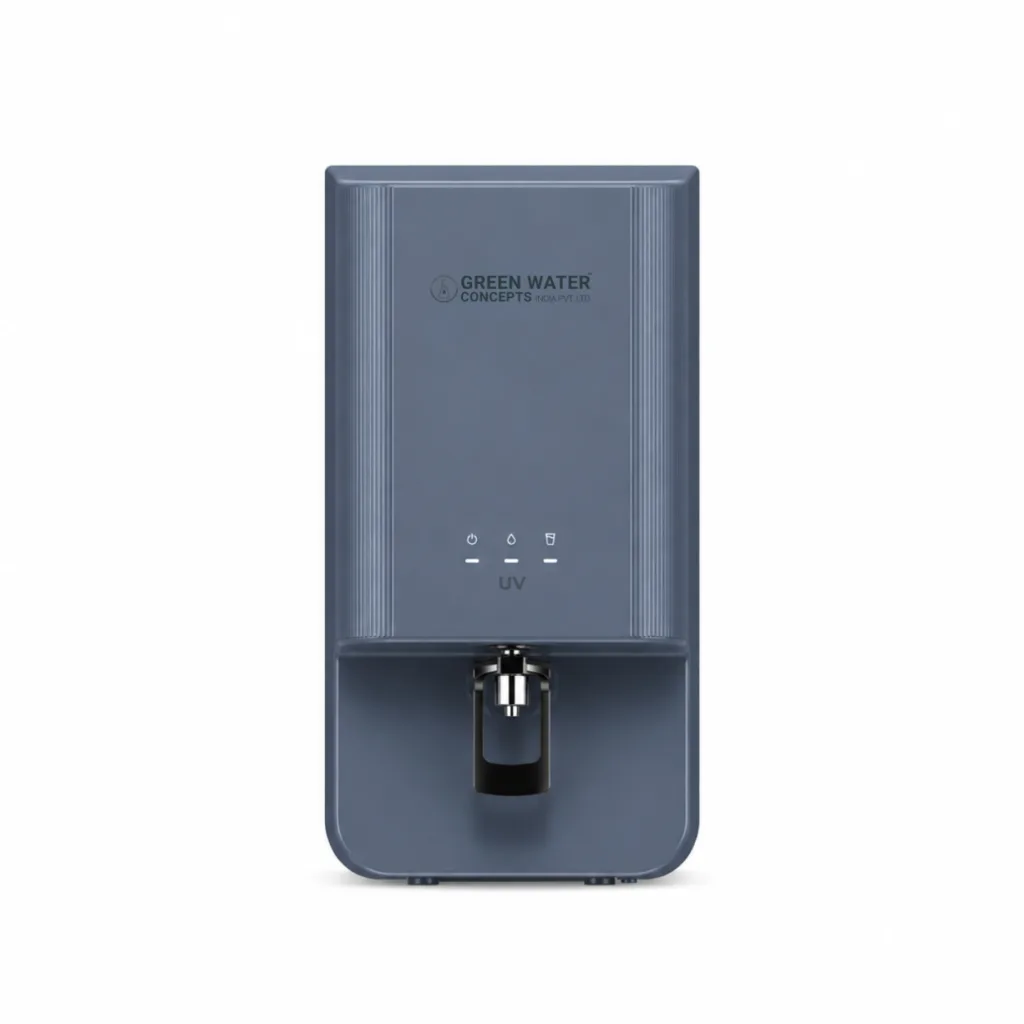
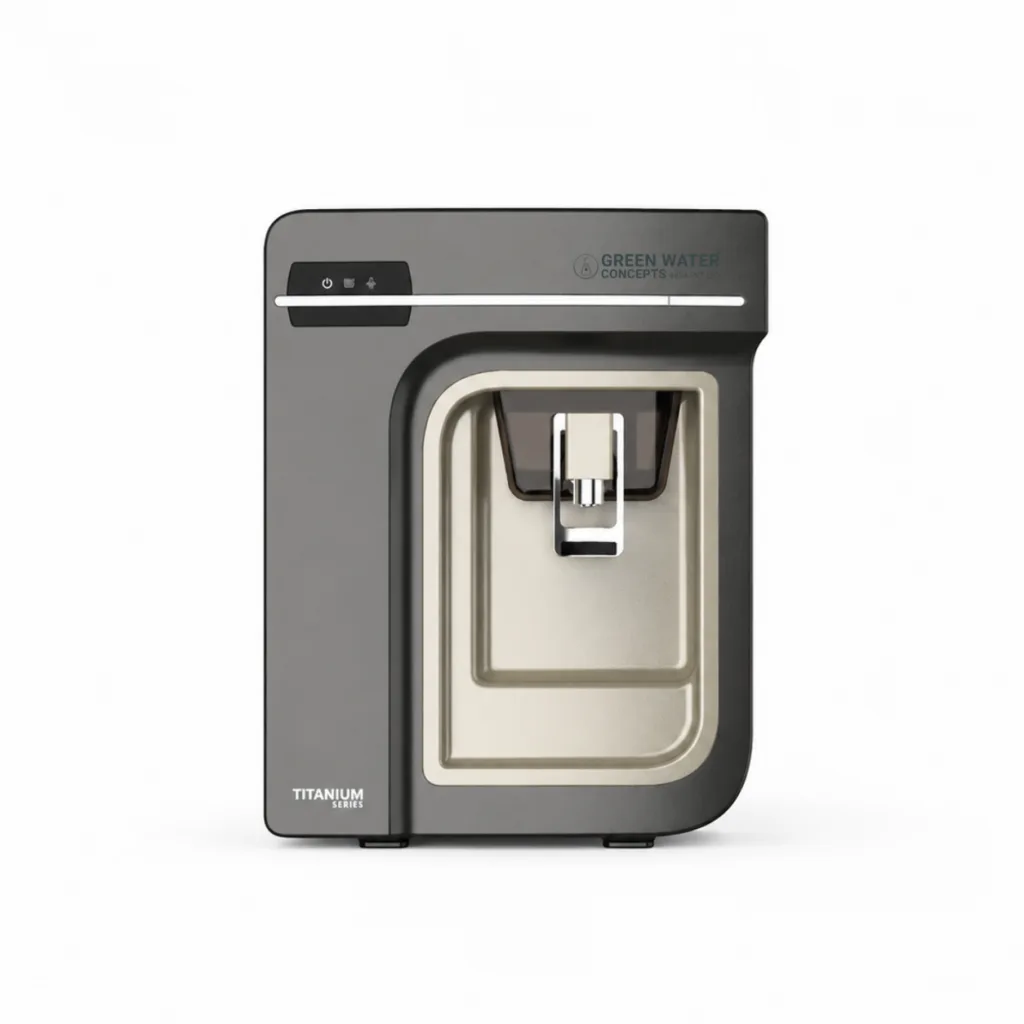
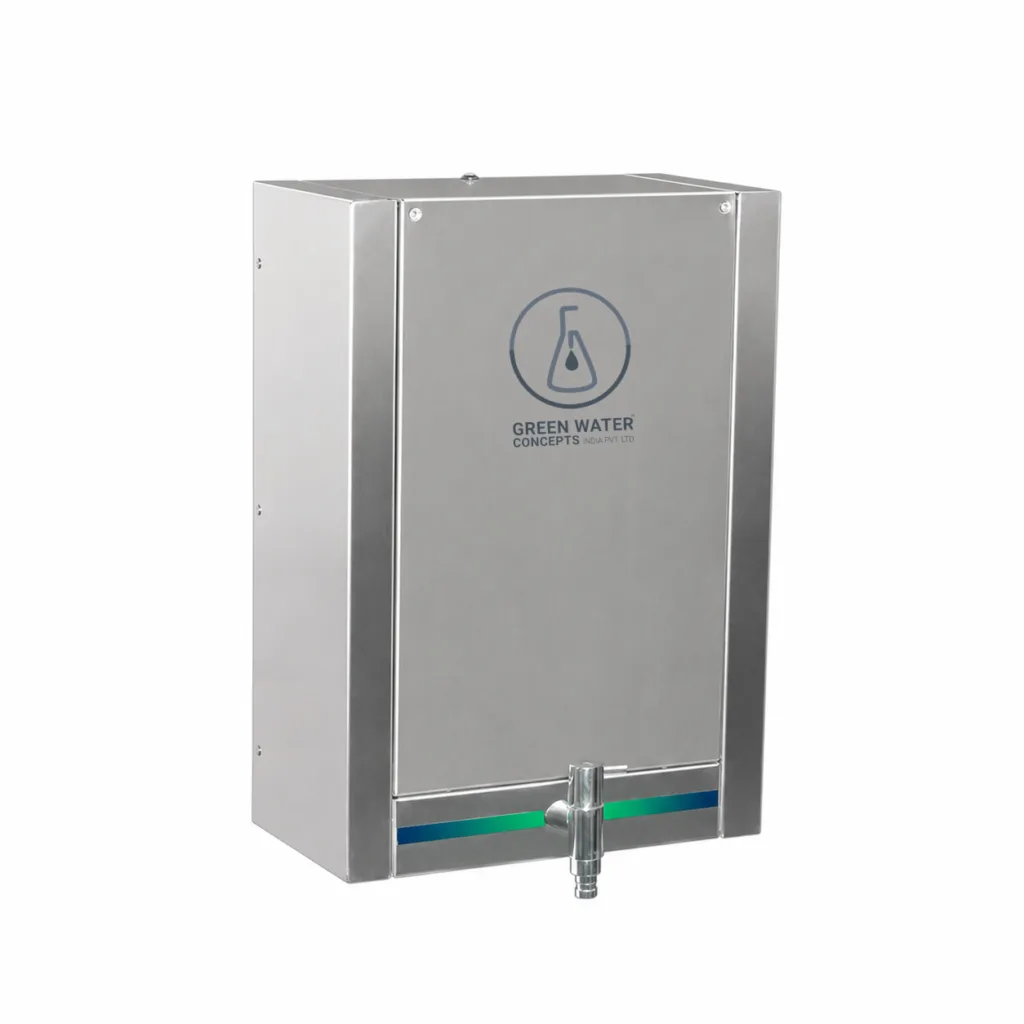
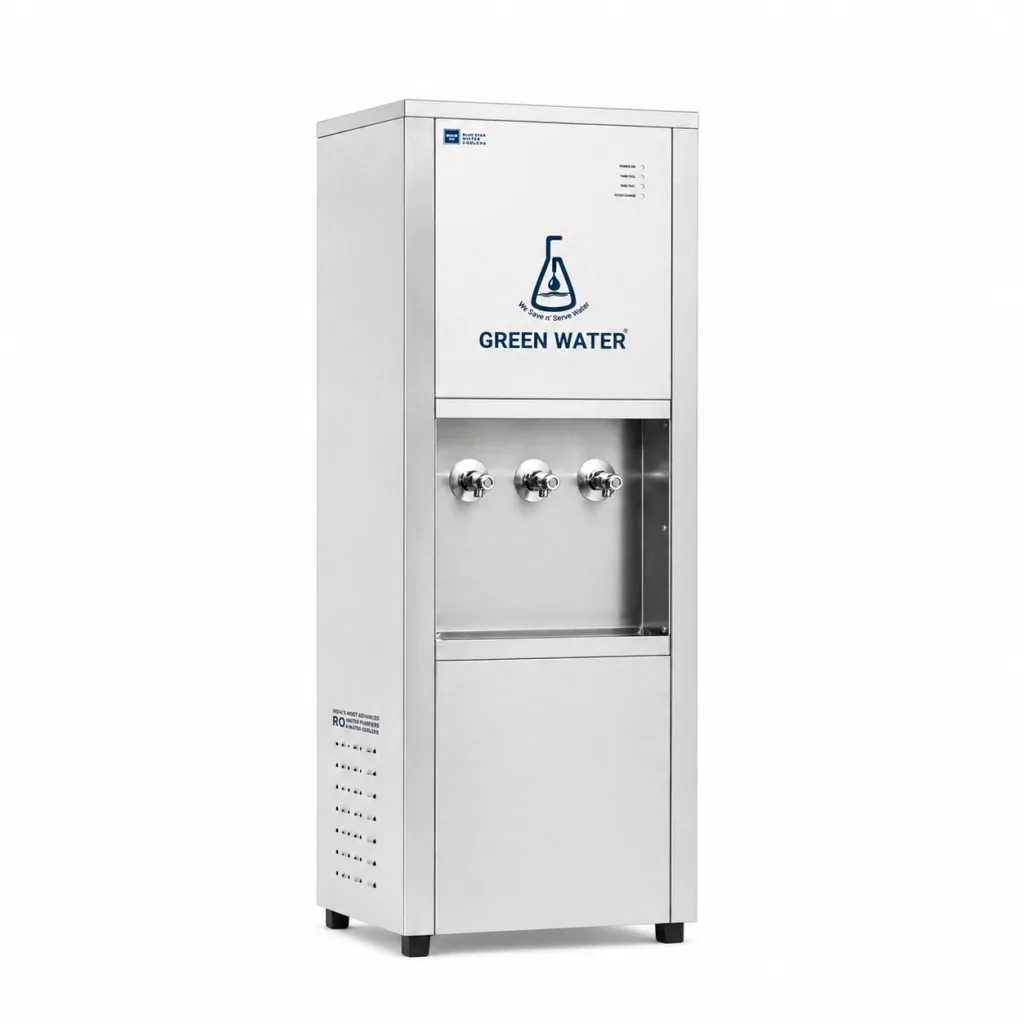
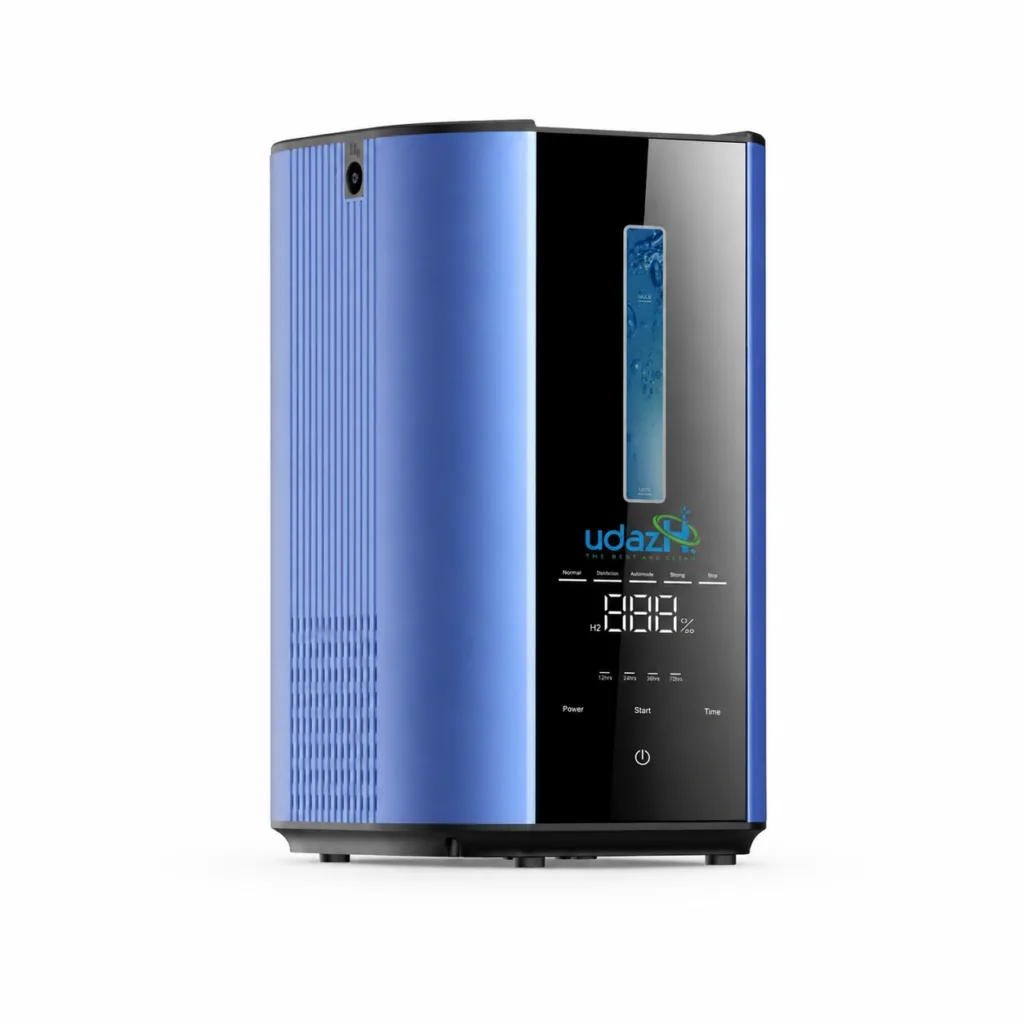
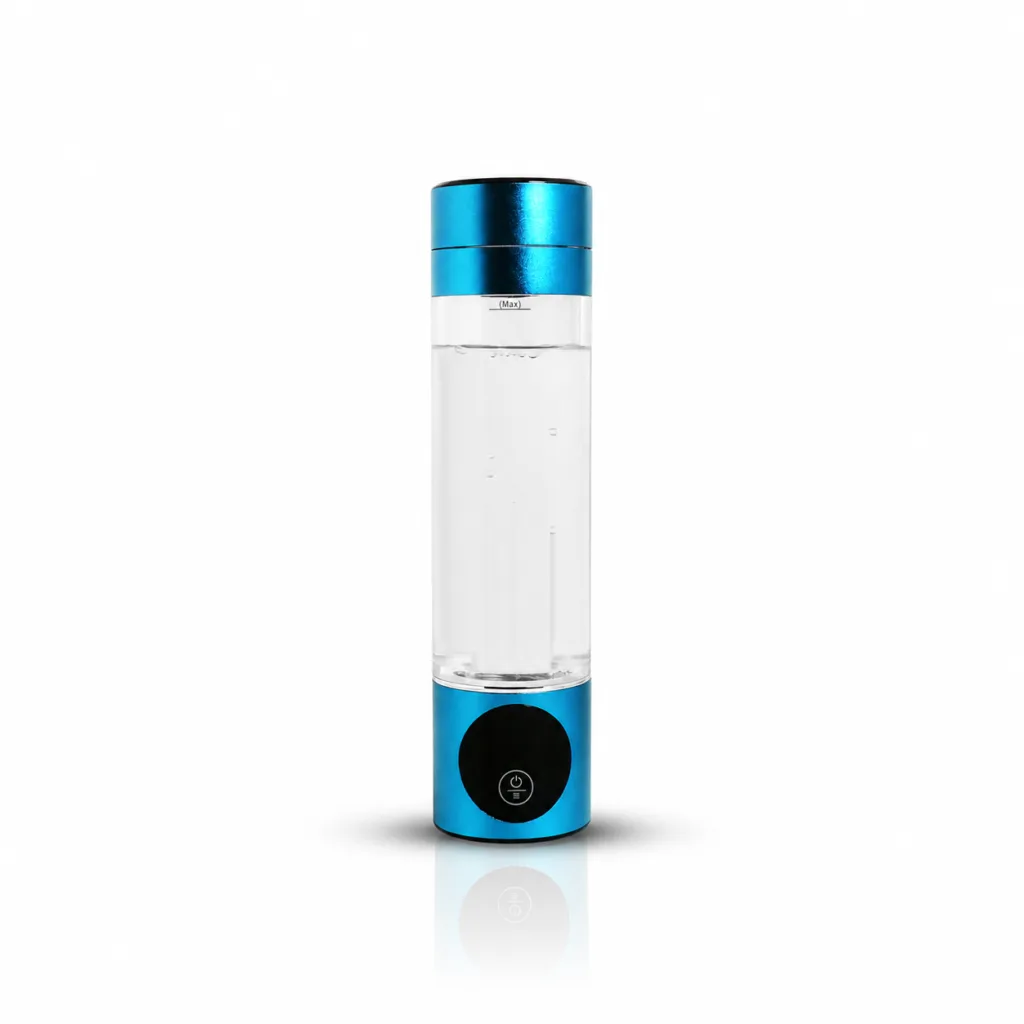
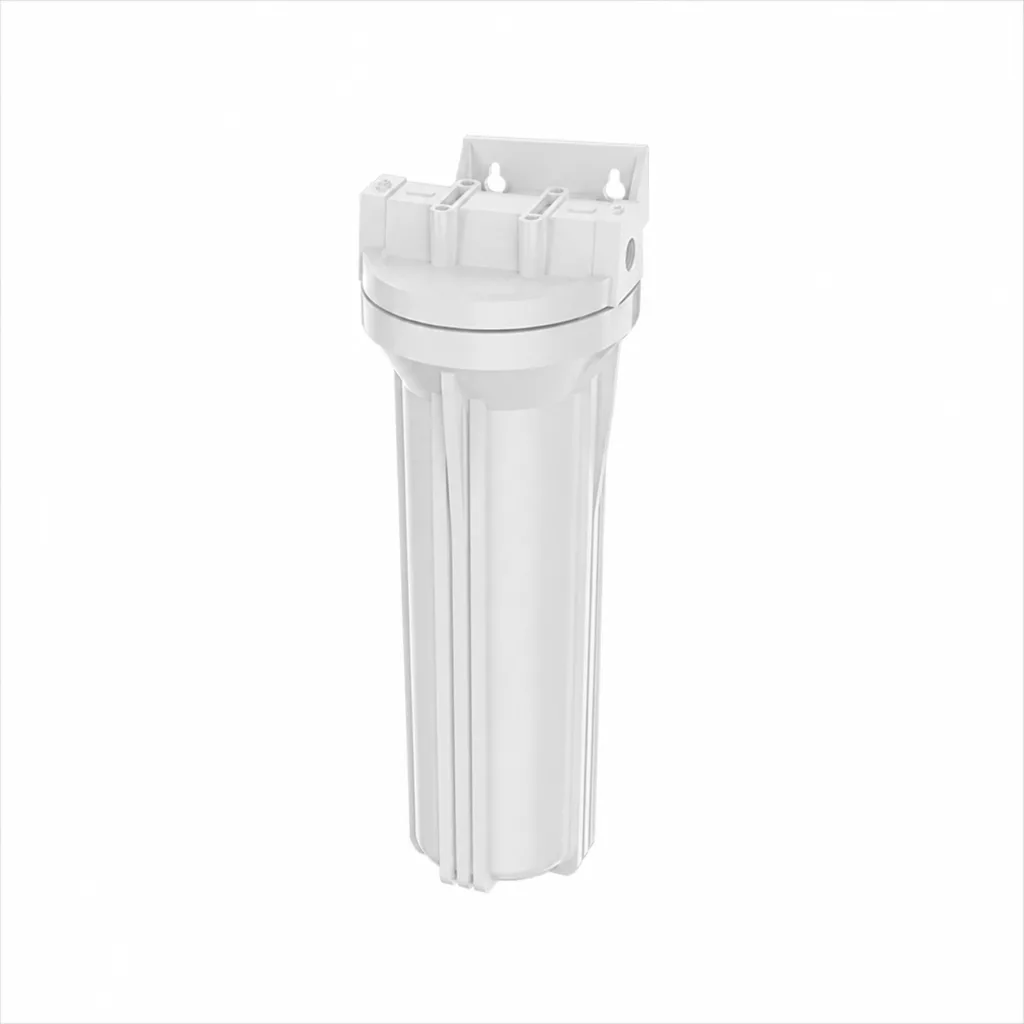
An Under the Counter Reverse Osmosis (RO) Water Purifier is a compact and space-saving water purification system designed to be installed beneath the kitchen sink. It delivers clean, safe, and great-tasting drinking water through a dedicated faucet while keeping your countertop free from bulky appliances. Using advanced multi-stage filtration and reverse osmosis technology, it effectively removes dissolved salts, heavy metals, harmful chemicals, and microorganisms to ensure high-quality drinking water.
Key Components
1. Pre-Filters
- Sediment Filter: Removes sand, dust, rust, and suspended particles from the incoming water.
- Activated Carbon Filter: Eliminates chlorine, unpleasant odors, and organic contaminants while protecting the RO membrane.
2. RO Membrane
- The heart of the purification system.
- Removes dissolved salts, heavy metals, fluoride, arsenic, lead, pesticides, bacteria, viruses, and other contaminants.
3. Booster Pump
- Maintains the required water pressure for efficient RO membrane performance.
- Ensures consistent purification even in areas with low inlet water pressure.
4. Pressure Tank
- Stores purified water under pressure for instant dispensing.
- Delivers a steady flow of water through the dedicated drinking water faucet.
- Available in different capacities based on user requirements.
5. Post Carbon Filter
- Improves the taste and freshness of purified water.
- Removes any residual odor or unpleasant taste before dispensing.
6. UV Sterilizer (Optional)
- Uses ultraviolet light to destroy microorganisms that may remain after RO filtration.
- Provides an additional layer of protection against bacteria and viruses.
7. TDS Controller / Mineralizer (Optional)
- Adjusts the Total Dissolved Solids (TDS) level.
- Restores essential minerals for better taste and healthier drinking water.
8. Dedicated Drinking Water Faucet
- Dispenses purified water through a separate faucet installed on the kitchen sink or countertop.
- Provides convenient access to clean drinking water without mixing with regular tap water.
Working Principle
1. Pre-Filtration
- Incoming water passes through the sediment and activated carbon filters.
- Removes larger particles, chlorine, and organic impurities to protect the RO membrane.
2. Reverse Osmosis
- Water is forced through the semi-permeable RO membrane under pressure.
- Dissolved salts, heavy metals, chemicals, bacteria, viruses, and other contaminants are separated from the water.
3. Post-Filtration
- Purified water passes through the post carbon filter to improve taste and remove any remaining odor.
4. UV Sterilization (If Applicable)
- UV light disinfects the purified water by destroying harmful microorganisms.
5. Storage in Pressure Tank
- Purified water is collected in a pressurized storage tank installed beneath the sink.
- The pressure tank stores water under pressure, ensuring instant delivery whenever the faucet is opened.
6. Dispensing
- Purified water flows through the dedicated drinking water faucet for drinking and cooking.
7. Rejection Water
- The concentrated impurities and dissolved contaminants are discharged as reject water through the drain connection.
Advantages
- Space-saving under-sink installation keeps countertops clean and uncluttered.
- Provides safe, hygienic, and great-tasting drinking water.
- Removes up to 99% of dissolved impurities, heavy metals, bacteria, and viruses.
- Pressurized storage tank delivers water instantly without waiting.
- Quiet operation with minimal visual impact in the kitchen.
- Optional UV and mineralizer enhance water safety and maintain balanced mineral content.
- Ideal for homes, apartments, offices, pantries, and modern kitchens.
Limitations
- Requires under-sink cabinet space for installation.
- Produces reject water as part of the RO purification process.
- Requires periodic replacement of filters and the RO membrane.
- Needs electricity for pump and purification system operation.
- Professional installation is recommended for optimal performance and leak-free operation.
- Pressure tank capacity determines the amount of instantly available purified water before refilling begins.